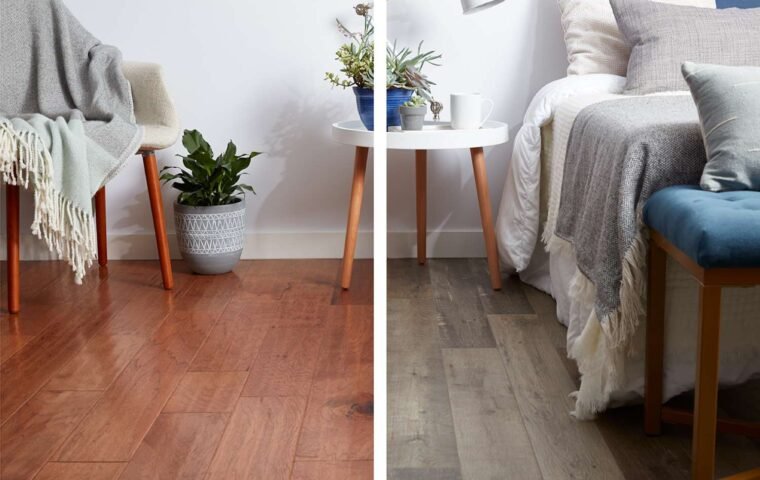

Picture a hallway that a family of five walks through dozens of times a day, plus a dog, plus the occasional dragged suitcase. That’s the real test for best flooring options — not the showroom, but daily life. Some materials that look great initially wear down embarrassingly fast under this kind of use.
Vitrified Tiles for Durability
Quick answer: Vitrified tiles are among the best flooring options for high-traffic areas due to their low porosity, scratch resistance, and ability to withstand heavy daily use without staining — making them ideal for hallways, living rooms, and entryways.
They’re also relatively low-maintenance, needing just regular mopping rather than specialized cleaning products.
he Debate That Comes Up in Every Renovation
Vinyl Flooring for Budget-Friendly Durability
- Resistant to water and moderate impact
- Comes in wood-look and stone-look designs at a fraction of the cost
- Easier to replace in sections if a specific area gets damaged
Vinyl has genuinely improved in quality over the past few years — it doesn’t look as “obviously fake” as older versions did.
Natural Stone Flooring
Granite and marble hold up remarkably well under heavy foot traffic and add a premium look, though they come at a higher price point and need periodic sealing to prevent staining, especially in kitchens or entryways.
Engineered Wood vs Solid Hardwood
Solid hardwood, while beautiful, shows wear (scratches, dents) faster in high-traffic zones compared to engineered wood, which has a tougher top layer designed specifically for durability. For busy households, engineered wood is often the more practical flooring option.
Laminate Flooring for Cost-Conscious Homes
- Scratch-resistant surface layer suitable for moderate foot traffic
- Significantly cheaper than hardwood or natural stone
- Not ideal for areas with frequent water exposure
Rugs and Runners as Protective Layers
Even the best flooring benefits from strategic rug placement in the highest-traffic zones — entryways, hallway centers, in front of sofas. This extends the life of the underlying flooring material considerably. [link to related guide on small space decorating ideas here]
Maintenance Requirements Across Flooring Types
Tiles and vinyl need the least specialized care — just regular sweeping and mopping. Natural stone needs periodic sealing. Wood flooring, whether solid or engineered, needs occasional refinishing to maintain its surface durability over years of use.
Matching Flooring to Specific Rooms
Entryways and hallways benefit most from tile or vinyl due to moisture and dirt exposure. Living rooms can handle engineered wood or laminate reasonably well. Kitchens do best with tile or vinyl given spill frequency.
FAQ
Q1: What’s the most durable flooring for high-traffic areas? Vitrified tiles and natural stone generally offer the best combination of durability and low maintenance for heavy foot traffic.
Q2: Is vinyl flooring good for busy households? Yes, modern vinyl flooring handles moderate impact and water exposure well, making it practical for busy family homes.
Q3: Does hardwood flooring hold up in high-traffic areas? Solid hardwood shows wear faster than engineered wood, which has a more durable surface layer designed for heavier use.
Q4: Are rugs necessary if I already have durable flooring? They’re not necessary but do help extend the lifespan of flooring in the busiest specific zones like entryways.
Q5: What’s the most budget-friendly durable flooring option? Laminate flooring offers a good balance of scratch resistance and affordability, though it’s less suited to wet areas.
Conclusion
Choosing the best flooring options for high-traffic areas comes down to balancing durability, maintenance, and budget for your specific household’s foot traffic patterns. Vitrified tiles and engineered wood tend to be the safest bets for busy homes that need flooring to actually last.
Suggested Alt Text:
- “Vitrified tile flooring in busy hallway entryway”
- “Engineered wood flooring in high-traffic living room”